
Our QED tour of local European fintech ecosystems had started with Istanbul, and we now continue with Milan which Bill Cilluffo and I visited this week in a memorable and impressive trip.
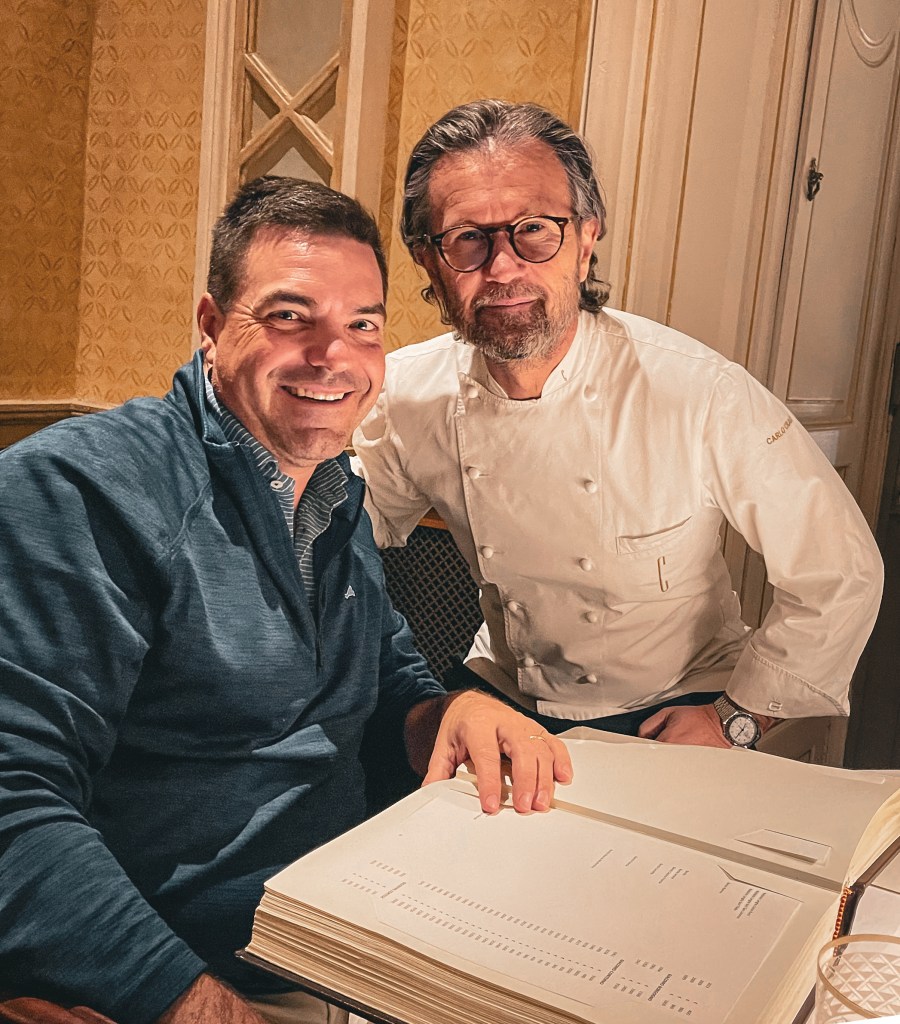
It was of course not our first (and very likely not our last!) time there. Bill is Italian American, and a frequent visitor, and for me, it was my third trip to Milan in one month. As the title of this blog implies, there are many reasons beyond fintech to visit this beautiful place. And as QED we have already been in attendance for board meetings as a guest of our friends at Nextalia with whom we are co-investors in ShopCircle.
Impression #1: Italy is a big economy, and the dynamism is increasing rapidly.
To say that Italy is the fourth largest economy in Europe in many ways belies its true size. At 2.5 trillion of GDP, it is about three quarters the size of France, and two thirds the size of the UK, and as these numbers demonstrate, the size difference is not substantial. If we look into areas like consumer goods, the size difference becomes even less.
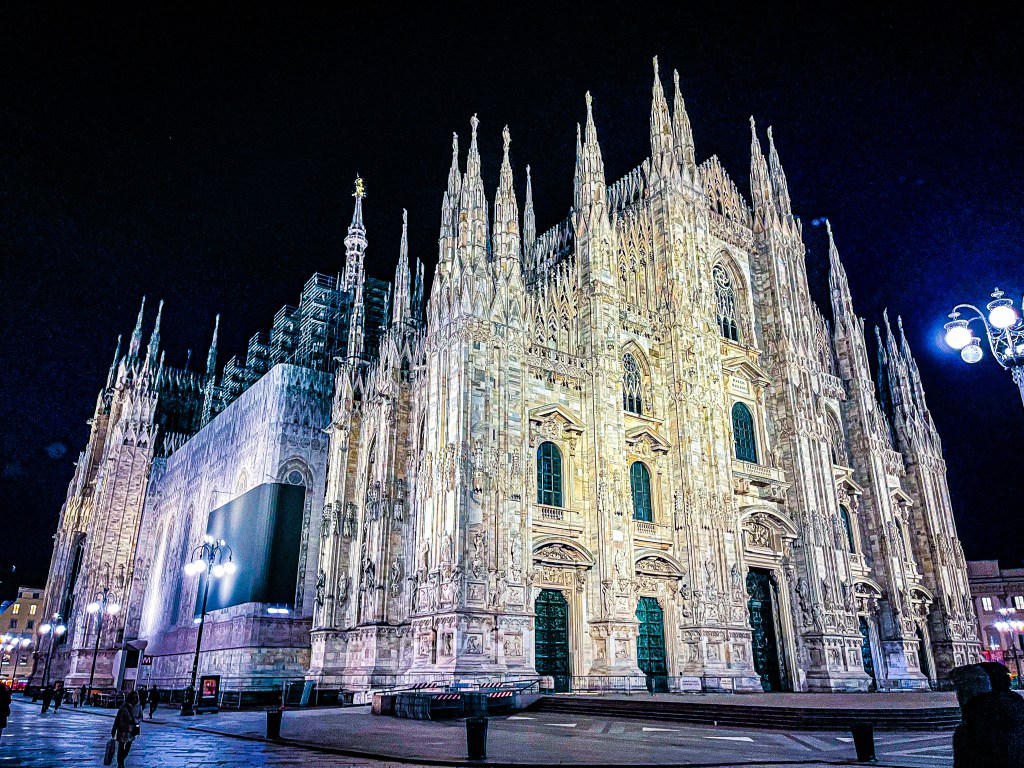
On top of this, Italy is also making changes to its tax system, making it easier and more advantageous for expats and former emigrants to locate here. It also boosts a very agile and dynamic SME sector, which when combined with fintech innovation and more investment dollars (or we should say euros) will drive growth and innovation.

Fintech investing is also increasing rapidly, having at times exceeded the billion dollar mark, and is projected to reach 1.5 billion annually by many insiders, which will continue to amplify positive tailwinds.
Impression #2: There is an opportunity for Seed and Series-A focused specialist funds.
The investment ecosystem seems dominated by two ends of the barbell – a very strong network of angels and family offices on the one side, and pan-European as well as global institutional capital going after the bigger deals on the other side.
This dynamic creates somewhat of an opportunity for specialist Seed and Series-A focused funds in this market. Currently this is being served by many pan-European seed funds, but the opportunity is nonetheless there.

As QED, needless to say, we are very happy to partner with all of these players, at any stage of investing.
Impression #3: Bureaucracy and red tape creates huge opportunities for fintech.
Local laws and regulations can seem hard to follow, or even byzantine at times, and while this creates some friction for businesses and consumers, it also creates tremendous opportunities for fintechs.
Whether in proptech, taxes, payroll or any such area, there are pain points to be eliminated and exciting new businesses to be built.
Impression #4: There is no “United States of Europe”
Despite the Eurozone and the customs union, there is no substantial political unity in Europe when compared to other big political entities. As a result, local laws and regulations make it more difficult to scale fintechs across borders in Europe, something that is not as much the case in the U.S. and China.
The best fintechs take advantage of passporting laws and their own ingenuity to overcome this, scaling across borders, and we have many examples of such fintech success stories in our portfolio, such as Payhawk, and another QED investment Klarna that is now present in Italy also.
But the friction created by local regulations give Italian fintechs an edge on their home turf, and this is certainly something the best of them take advantage of to build strong moats.
Impression #5: The best is yet to come
Comparing to a much smaller country like Sweden, there has been no Spotify, Skype, Klarna, or iZettle coming out of Italy yet.

But there are clear signs of tech and fintech titans in the making. Companies like Bending Spoons, Satispay, Moneyfarm, Soldo, Scalapay, and many others are all a strong testament to this, and at various stages of their own epic journeys.
As QED, we are incredibly excited about this unique market, and the huge potential in helping build the multi billion, generational fintech juggernauts of tomorrow.
 Yusuf's blog